Keynote
A potent and disorienting new book by the author of Owlish, a National Book Critics Circle prize finalist
Join us at the 2026 Literary Salon in Minneapolis on Thursday, September 10 @ 7-9 pm
“City Like Water is that rarest of birds, a dreamlike and befuddling tale that is easy to consume, to gobble up quickly, leaving you hungry for more. It is an absolute treat, deserving of a place on he bookshelves of anyone who appreciates quality prose and vivid works of imagination.”—James Kinsley
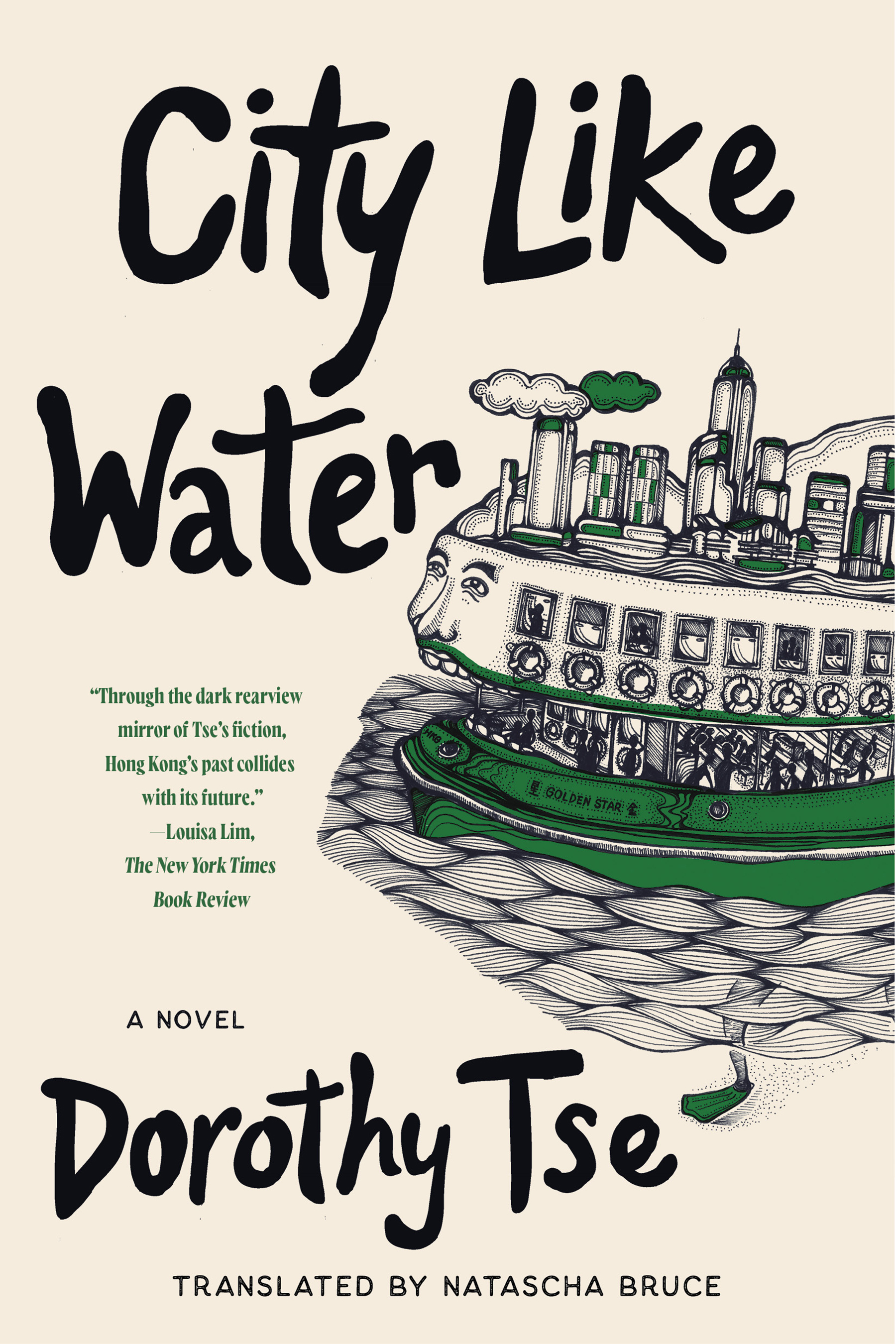
Your city is gone, as if sunk to the bottom of the ocean. So much has vanished with it—counterfeit watches, streets echoing with the sound of stilettos, and even some of your classmates and teachers. Your mother joins in a housewives’ protest, each woman waving the fake, bloody lotus roots they were sold until they’re turned into statues. Then it’s just you and your father at home. But soon he is absorbed into the enormous TV gifted by the government, and you can only see him in the background of soap operas. And didn’t you once have a little sister? When the police go undercover and transform your neighborhood into a violent labyrinth, where does it all leave you? Lucid, nightmarish, and indelible, City Like Water is a wondrous tale of a city not so different from your own.
“From the author of Owlish comes this story of a spooky future where people keep disappearing. Underneath the nightmare is a message we should all heed before it’s too late.”—Ms. Magazine
“City Like Water is a synecdoche for wider realms of social and political unrest. . . . Bruce’s perfect translation dilates in the dank horror of Tse’s fictionalized Hong Kong, amplifying her tricks of syntax and pace and rhythm, and her latent notes of resistance.”—Michelle Chan Schmidt, Words Without Borders
“As the world itself becomes more surreal, narratives like this bring a particular sense of recognition, an aha moment that gestures toward the irrational, disquieting, insidious forces that determine our very lives.”—Amanda Norton, Newcity Lit
“Even surviving has come to mean exile and loss—of self, of future, of home, and of the possibilities so tantalizingly present that hot summer, which disappeared in a cloud of tear gas. Tse captures that mood in the last lines of City Like Water.”—Louisa Lim, The New York Review of Books