Keynote
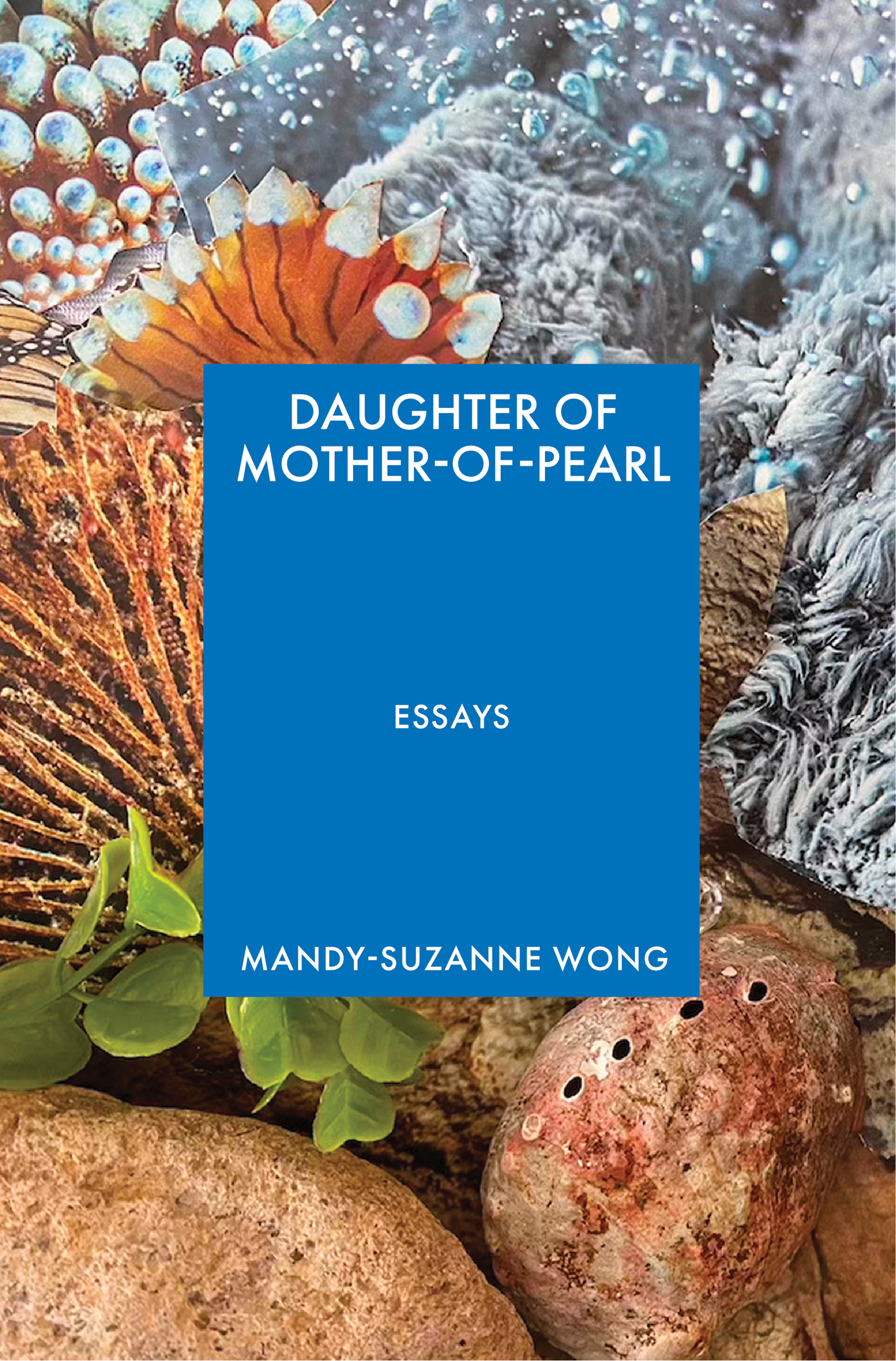
Seventeen ingenious essays devoted to snails’ and aquatic invertebrates’ uncanny ways of living
Join us at the 2026 Literary Salon in Minneapolis on Thursday, September 10 @ 7-9 pm
“[Wong] has made sea snails totally present on the page, magically uncurling their opaque inner worlds, making them resonant subjects of marvel and love. . . . Daughter of Mother-of-Pearl is up there with some of my favorite animal writing of the past decade.”—Ania Szremski, 4Columns

“Mesmerizing. . . . Relentlessly empathetic, these essays reframe nonhuman beings as individuals worthy of respect. Readers will be moved.”—Publishers Weekly
“[Wong’s] gentle coexistence with other life-forms stands in stark contrast to humanity’s predilection for exploitation. . . . A passionate paean to life’s wonders.”—Kirkus Reviews
“This mesmerizing collection from novelist and essayist Wong uses observations of small invertebrates to tackle questions about selfhood, consciousness, and humans’ relationship with nature.”—The Millions
“Wong’s investigations undulate, beckoning an embrace of the unknowable, and with it a call to better coexistence.”—Orion Magazine